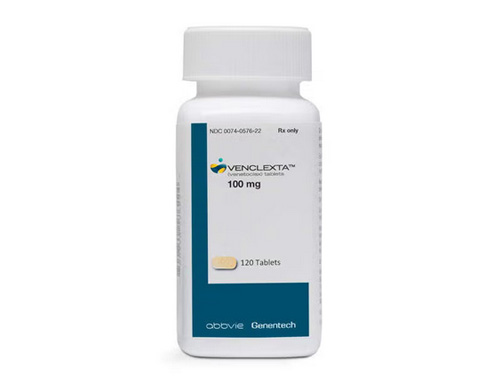
Manufacturers compete for formulary placement. PBMs negotiate rebates and administer benefits. Affiliated pharmacies earn revenue by dispensing medications. Employers want lower, predictable costs, while patients seek affordable, timely access.
"Employers should treat pharmacy benefits like any procurement decision: understand what they are buying, how every party is compensated, and whether a more cost-effective option exists," said Paul Pruitt, Chief Growth Officer of SHARx, a procurement management solution for high-cost prescription drugs. "But when a vendor earns more through higher prices, greater volume, or control of the dispensing channel, both sides are not working toward the same result."
When Revenue Grows as Drug Spending Rises
National prescription drug spending increased 7.9% to $467 billion in 2024 after growing 10.8% the previous year, according to the Centers for Medicare & Medicaid Services (CMS). Retail prescription drug spending is also projected by the CMS to grow an average of 5.7% annually from 2025 through 2034, faster than other major healthcare category.
Traditional PBM arrangements can create revenue through spread pricing, manufacturer payments, and affiliated specialty pharmacy dispensing. Each can reward higher gross prices, greater volume or control of the dispensing channel even while employers seek lower total costs.
The Federal Trade Commission found that pharmacies affiliated with the three largest PBMs generated more than $7.3 billion in dispensing revenue above estimated acquisition costs on the specialty generic drugs it examined between 2017 and 2022. Affiliated pharmacies also received 68% of specialty drug dispensing revenue in 2023, up from 54% in 2016.
"If higher prices or control of the dispensing channel create more revenue, lowering an employer's spending can work against the vendor's financial interest," Pruitt said. He recommends that "before renewing a PBM contract, employers should ask: Does the PBM make more money when our costs go up or when our costs go down? They should also ask which affiliated companies or specialty pharmacies earn revenue from the arrangement. The answers should reveal more than rebate guarantees or discount promises."
Industry Scorecard Measures Activity, Not Value
In assessing medication benefit costs, employers are often shown rebate guarantees, generic fill rates, prescription discounts, and utilization figures. Those measures can confirm that contractual targets were met, but they do not reveal the full economics of the arrangement.
A high generic fill rate may look favorable even when a small number of specialty medications drives most of the plan's spending. A larger rebate may depend on placing a higher-priced drug on the formulary. A promised discount can also be delivered even when another sourcing channel would have cost less.
The U.S. Government Accountability Office found that beneficiaries paid more than plan sponsors, after rebates, for 79 of the 100 Medicare Part D drugs generating the largest rebates in 2021. It also found that rebates may influence formulary design. Although the analysis focused on Medicare, it illustrates how a favorable financial metric can benefit one party without lowering costs for the person receiving the medication.
"The industry has spent too long measuring activity instead of outcomes," Pruitt said. "The real scorecard is whether the pharmacy benefit consistently delivers the lowest net cost, reliable access, and predictable spending."
Transparency Alone Does Not Ensure the System is Better
Greater transparency can reveal cash flows, ownership relationships, and contract terms, but transparency alone does not solve the problem if compensation is still tied to higher drug prices, greater utilization, or specialty pharmacy revenue.
Pruitt suggests a different model that separates compensation from medication cost and evaluates performance through outcomes employers and members can recognize. Those include lower total net spending, reliable access, adherence, budget predictability, and member experience.
In this scenario, lowering the cost of an appropriate medication should not reduce the vendor's opportunity to succeed. Better access should not conflict with a rebate arrangement, and using a less expensive sourcing channel should not financially disadvantage the organization administering the benefit.
The goal is not to eliminate PBMs, pharmacies, or manufacturers. It is to ensure that their financial success no longer depends on outcomes that work against the employer or patient.
"If we were designing the pharmacy benefit system today, we would not build one where higher drug prices create more revenue for the PBM," Pruitt said. "Every participant should succeed when the patient receives the right medication at the best net cost. That is the scorecard the system should use."
About SHARx
SHARx was founded to fight back against the broken system of overpriced prescription drugs. Industry pioneers Corey Durbin and Paul Pruitt built SHARx to put people before profits. With an innovative and ethical sourcing model, SHARx cuts through the waste with radical transparency, common-sense cost containment, and a member-first approach. No hidden markups. No games. Just the meds people need, delivered affordably, reliably, and with dignity.
For more information please visit, www.SHARXplan.com