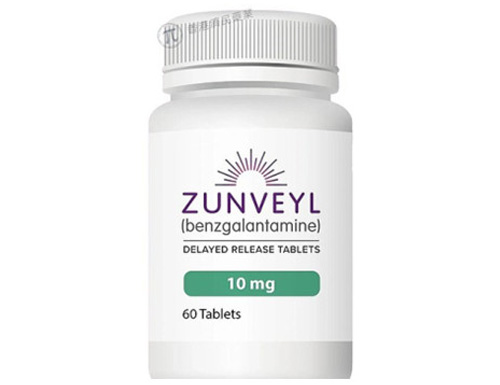
The BEACON study evaluated provider-reported outcomes from 21 investigators treating 162 long-term care patients with mild to moderate Alzheimer’s disease who received ZUNVEYL for 3 to 12 months following prior acetylcholinesterase inhibitor (AChEI) treatment or after discontinuation of available AChEI therapies presumably due to limited efficacy or tolerability.
“We believe that long-term care patients with Alzheimer’s disease remain underrepresented in traditional clinical datasets despite representing a significant and clinically complex treatment population,” said Michael McFadden, Chief Executive Officer of Alpha Cognition. “BEACON provides valuable real-world insights into the treatment experience of long-term care patients with Alzheimer’s disease receiving ZUNVEYL.”
"The importance of the BEACON study lies in its focus on the patients we care for every day in long-term care facilities—individuals with Alzheimer's disease whose cognitive decline is often accompanied by neuropsychiatric symptoms, functional impairment, and substantial medication burden,” said Erik Cabrera, MD, Board-Certified Psychiatrist and Long-Term Care Practitioner. “The provider-reported observations from BEACON provide descriptive real-world information regarding treatment experiences among long-term care patients receiving ZUNVEYL. While the study was not designed to establish causality, these findings may help inform clinical discussions and future research in this challenging patient population.”
Because BEACON was a retrospective observational study without a randomized control group, the reported observations cannot establish causality and should not be interpreted as evidence that ZUNVEYL caused the reported outcomes.
Key Findings
98% of providers reported a favorable overall treatment experience among patients receiving ZUNVEYL
Cognitive and Functional Reports
Providers reported cognitive improvement in 92% of patients following ZUNVEYL treatment
Providers reported improvement in activities of daily living (ADLs) in 71% of patients following treatment with ZUNVEYL
Neuropsychiatric and Behavioral Reports
Providers reported improvement in neuropsychiatric symptoms in 93% of patients following ZUNVEYL administration
These observations were provider-reported and do not establish that ZUNVEYL improves agitation, aggression, anxiety, sleep disturbances, or other neuropsychiatric symptoms
Reduction in Medication Burden
- Providers reported delaying initiation or discontinuing concomitant psychotropic medications in 80% of patients; the study was not designed to determine whether these changes were attributable to ZUNVEYL.
- Antipsychotics and anxiolytics were the medication classes most frequently reported as delayed or discontinued during the observation period
Tolerability Reports
- Providers reported improvement in sleep-related issues in 72% of affected patients after transitioning to ZUNVEYL. These observations were based on provider assessments and do not establish an effect of ZUNVEYL on sleep-related outcomes.
- When taking ZUNVEYL, providers reported favorable gastrointestinal tolerability observations in 89% of patients with a history of GI side effects while receiving prior acetylcholinesterase inhibitors.
About the BEACON Study
BEACON was a Phase IV, retrospective, observational real-world effectiveness and tolerability study designed to capture provider assessments and chart review observations in long-term care clinical practice settings. Providers participating in the BEACON study reported observations related to cognition, neuropsychiatric symptoms, medication utilization, and tolerability, which may contribute to understanding treatment experiences in complex elderly patients receiving routine clinical care.
As a retrospective observational study, BEACON was not designed to establish causality, and findings reflect provider-reported clinical experience in real-world long-term care practice settings. The findings reported in the BEACON study are subject to limitations inherent in observational research, including potential bias, confounding factors, variability in clinical practice, and the absence of randomization or a control group. As a result, provider-reported observations regarding cognition, neuropsychiatric symptoms, functional outcomes, medication utilization, tolerability, and other clinical measures may not be attributable to ZUNVEYL and may not be predictive of future clinical outcomes. There can be no assurance that the observations reported in the BEACON study will be confirmed in prospective, controlled clinical trials, will be replicated in broader patient populations, or will support future regulatory, medical, reimbursement, commercial, or clinical conclusions regarding ZUNVEYL.
About ZUNVEYL (benzgalantamine)
ZUNVEYL was designed with a differentiated metabolic profile that results in reduced gastrointestinal exposure to galantamine relative to conventional oral galantamine formulations. The clinical significance of this pharmacokinetic difference has not been established beyond findings described in the approved prescribing information.
About Alpha Cognition Inc.
Alpha Cognition Inc. is a commercial stage, biopharmaceutical company dedicated to developing treatments for patients suffering from neurodegenerative diseases, such as Alzheimer’s disease and Cognitive Impairment with mild Traumatic Brain Injury (“mTBI”), for which there are currently no approved treatment options.
ZUNVEYL is a patented acetylcholinesterase inhibitor approved for the treatment of mild-to-moderate Alzheimer's disease in adults. ZUNVEYL’s active metabolite is differentiated from donepezil and rivastigmine in that it binds neuronal nicotinic receptors, including the alpha-7 subtype, which has been studied in preclinical and clinical research. Benzgalantamine is also being developed in combination with memantine to treat moderate to severe Alzheimer’s dementia, and as a sublingual formulation for Cognitive Impairment with mTBI.
For more information please visit, www.alpha.cognition.com